
Key Trends Reshaping Injury Prevention and Wellbeing in 2026
Insights from Bodycare's Lead Consultant, Pranav Thiagarajan
Following a period of reactive measures driven by economic pressures, 2025 has seen organisations refocus on proactive risk strategies. Across our clients nationwide, we’ve seen three themes emerging repeatedly:
- Injuries are becoming increasingly complex to manage, especially in the post-claim area.
- Psychosocial risk is now discussed as openly as physical risk
- Employers want data, not guesswork, to guide decisions
Below are some highlights from each of our expert areas. These are simplified snapshots and there is a lot more underneath the surface, but they give a strong sense of where NZ workplaces are heading.
Onsite Injury Prevention and Early Intervention
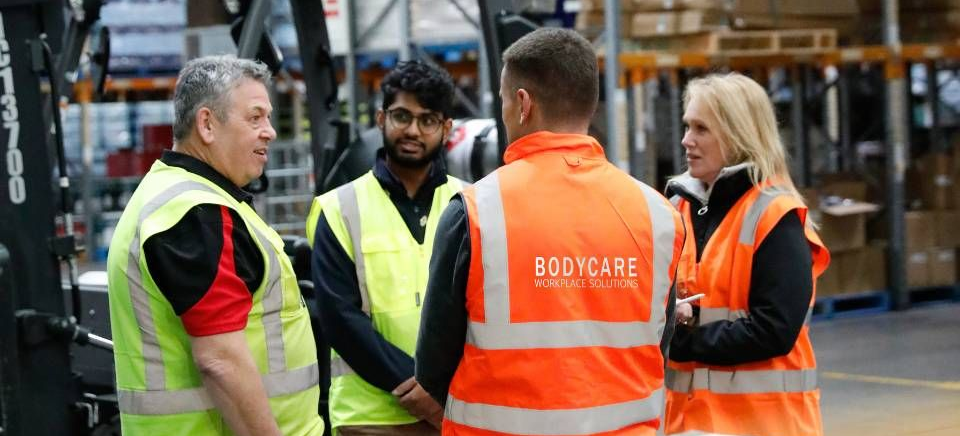
This year the manufacturing, logistics and primary industries have had the biggest shift in attitude toward proactive support.
Trends/Stats:
- Employers with
established onsite injury prevention programs saw continued improvements, with a few notable examples achieving zero lost time over a 12-month period for the first time.
- We also saw an
increase in secondary injuries related to fatigue and recovery patterns, with repetitive movement (low muscle loading) becoming a leading mechanism of injury seen within our early intervention service.
- Strains and sprains are the leading injury type, making up 55% of all claims as soft tissue injuries (ACC 2024 Injuries in New Zealand Report). These types of injuries generally respond well to early intervention physiotherapy.
What this means for 2026:
Workplaces will need structured onsite support to minimise risk and prevent high-cost claims. Early intervention remains one of the most effective lever employers have in managing musculoskeletal injury risk.
Return to Work and Claim Management
The most complex conversations this year have centred on delayed recovery, long duration claims with lost-time and psychosocial barriers affecting return to work.
Trends/Stats:
- Across our national clients we saw a general increase in duration of time-off work for claims, and increased barriers to early return-to-work within the ACC system. This aligns with industry-wide statistics with a 30% increase in the rate of injured workers going onto weekly compensation since 2014 as per ACC.
- The strongest outcomes this year came from organisations that invested in consistent, structured communication loops between managers, workers and clinicians, with an intentional focus on facilitating early return-to-work.
- The average recovery cost for a back injury in 2024 was approximately $6300 to $6400. (Source: ACC 2024 Injuries in New Zealand Report) Lost time is a major contributor to this cost, demonstrating the importance of proactive management and early return-to-work facilitation.
What this means for 2026:
The future of claims management is integration. The employers who are winning are those who bring proactive injury management and onsite prevention under one coordinated strategy for physical injuries.

Mental Health and Wellbeing
Across New Zealand workplaces, one shift stood out: mental health conversations became less performative and more practical.
Trends/Stats:
- WorkSafe NZ reports that 30 percent of all NZ workers experienced a work-related mental health or wellbeing issue in the past 12 months (Source: WorkSafe)
- In manufacturing specifically, one in four workers reported a work-related mental health or wellbeing issue (Source: WorkSafe)
What this means for 2026:
Psychological health is now a well-recognised part of every employer’s duty of care. We expect stronger demand for integrated programs that combine education, early intervention and genuine onsite support.
Let’s talk about what this means for your business
Every organisation we work with is facing a slightly different version of the same challenge: how to keep people safe, healthy and productive in an environment that is constantly shifting.
If you would like to explore how these trends apply to your workforce, or if you want to review your existing injury management, wellbeing or return-to-work management strategy,
get in touch for a chat today.